


Major Orthopaedic Surgeries
Joint Replacement Surgeries
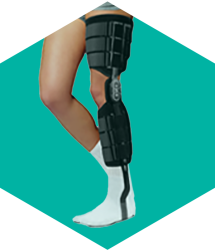
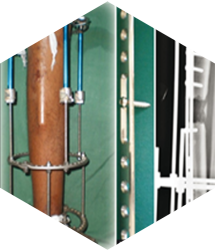
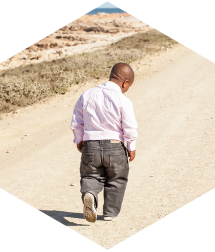
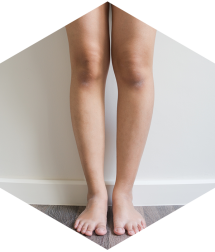

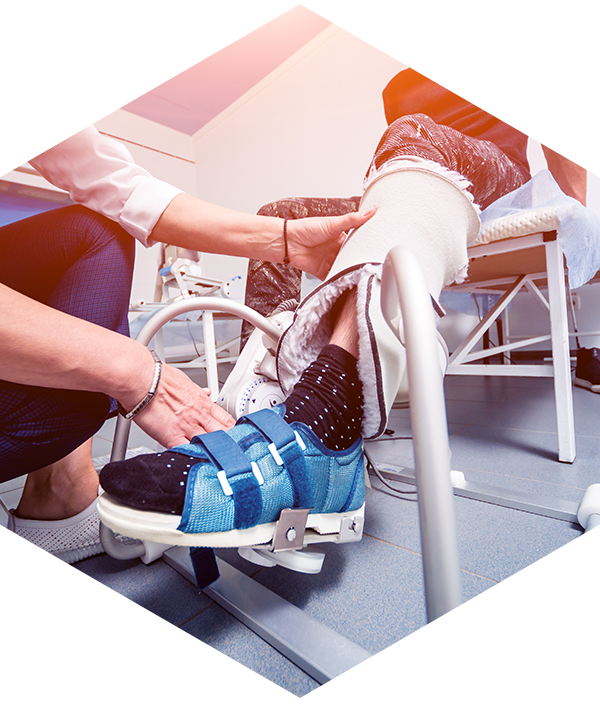

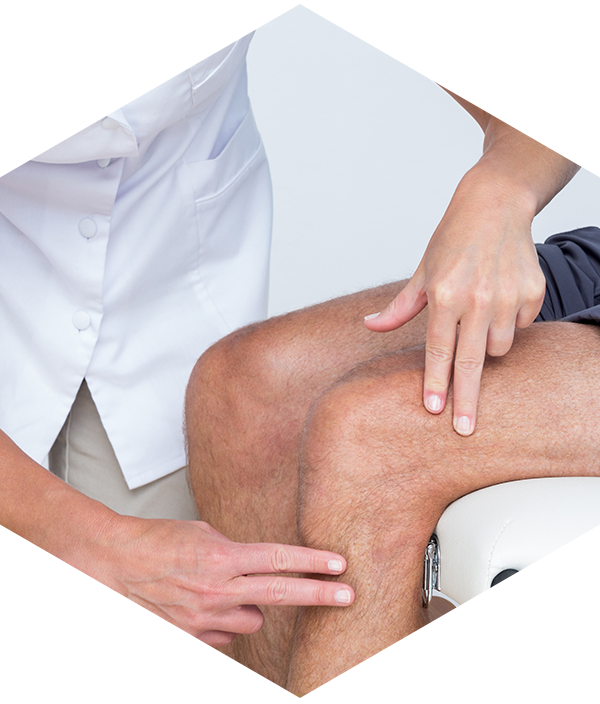
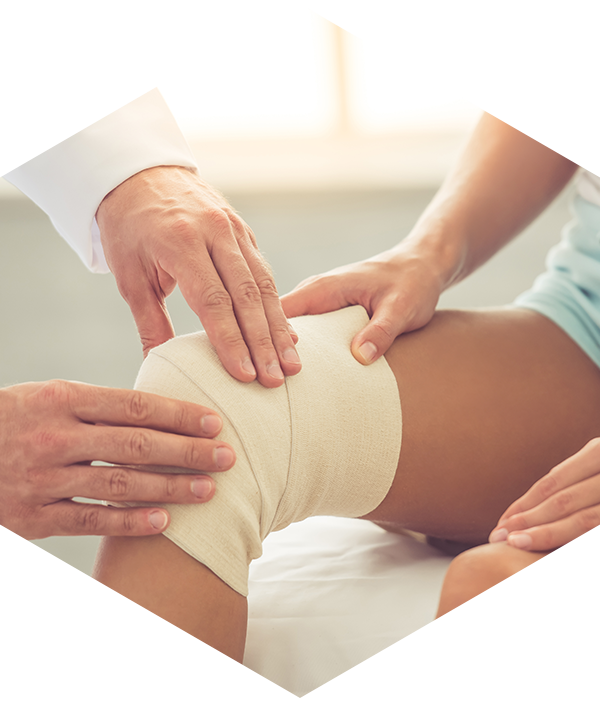
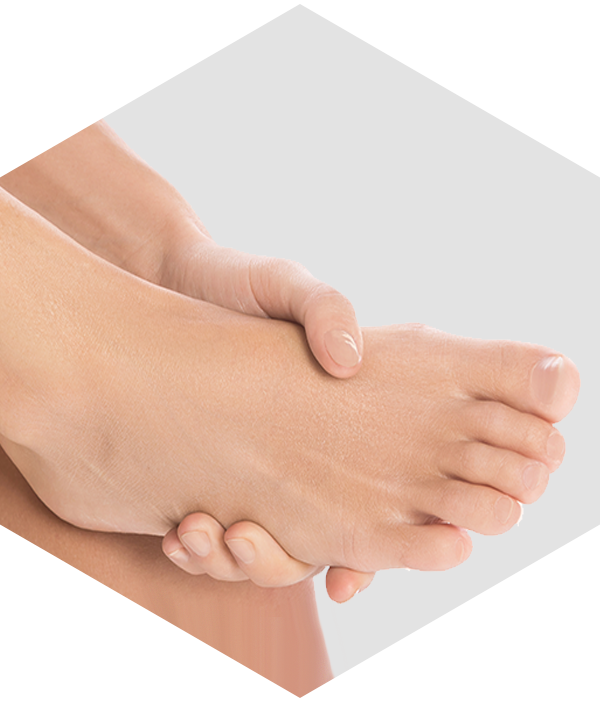
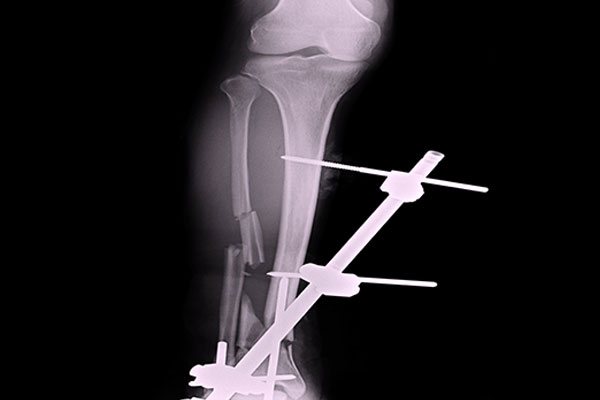
Lower leg fractures include fractures of the tibia and fibula. Of these two bones, the tibia is the only weight bearing bone. Fractures of the tibia generally are associated with fibula fracture, because the force is transmitted along the interosseous membrane to the fibula. ‘The skin and subcutaneous tissue are very thin over the anterior and medial tibia and as a result of this; a significant number of fractures to the lower leg are open. Even in closed fractures, the thin, soft tissue can become compromised.
Read More
Lower leg fractures include fractures of the tibia and fibula. Of these two bones, the tibia is the only weight bearing bone. Fractures of the tibia generally are associated with fibula fracture, because the force is transmitted along the interosseous membrane to the fibula. ‘The skin and subcutaneous tissue are very thin over the anterior and medial tibia and as a result of this; a significant number of fractures to the lower leg are open. Even in closed fractures, the thin, soft tissue can become compromised.
Read More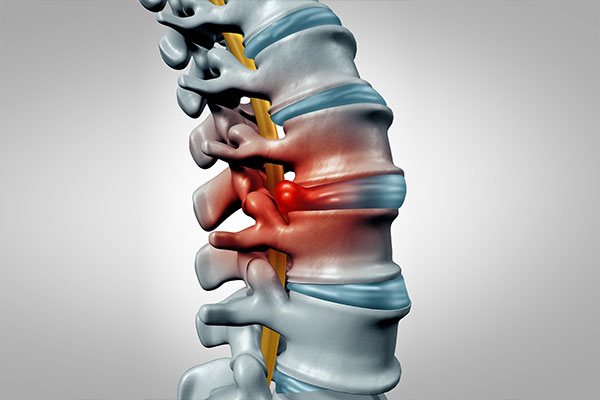
Lower leg fractures include fractures of the tibia and fibula. Of these two bones, the tibia is the only weight bearing bone. Fractures of the tibia generally are associated with fibula fracture, because the force is transmitted along the interosseous membrane to the fibula. ‘The skin and subcutaneous tissue are very thin over the anterior and medial tibia and as a result of this; a significant number of fractures to the lower leg are open. Even in closed fractures, the thin, soft tissue can become compromised.
Read More
Lower leg fractures include fractures of the tibia and fibula. Of these two bones, the tibia is the only weight bearing bone. Fractures of the tibia generally are associated with fibula fracture, because the force is transmitted along the interosseous membrane to the fibula. ‘The skin and subcutaneous tissue are very thin over the anterior and medial tibia and as a result of this; a significant number of fractures to the lower leg are open. Even in closed fractures, the thin, soft tissue can become compromised.
Read More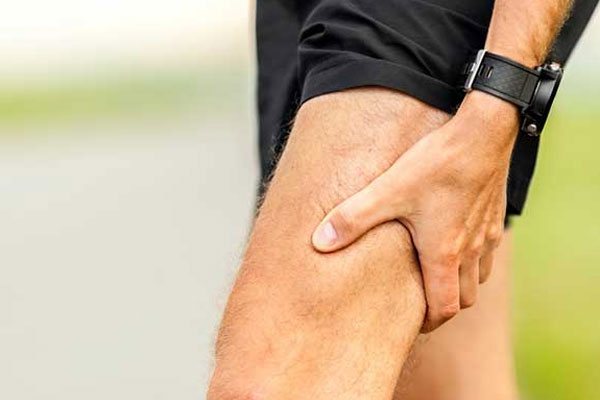
Lower leg fractures include fractures of the tibia and fibula. Of these two bones, the tibia is the only weight bearing bone. Fractures of the tibia generally are associated with fibula fracture, because the force is transmitted along the interosseous membrane to the fibula. ‘The skin and subcutaneous tissue are very thin over the anterior and medial tibia and as a result of this; a significant number of fractures to the lower leg are open. Even in closed fractures, the thin, soft tissue can become compromised.
Read More
Lower leg fractures include fractures of the tibia and fibula. Of these two bones, the tibia is the only weight bearing bone. Fractures of the tibia generally are associated with fibula fracture, because the force is transmitted along the interosseous membrane to the fibula. ‘The skin and subcutaneous tissue are very thin over the anterior and medial tibia and as a result of this; a significant number of fractures to the lower leg are open. Even in closed fractures, the thin, soft tissue can become compromised.
Read More
Lower leg fractures include fractures of the tibia and fibula. Of these two bones, the tibia is the only weight bearing bone. Fractures of the tibia generally are associated with fibula fracture, because the force is transmitted along the interosseous membrane to the fibula. ‘The skin and subcutaneous tissue are very thin over the anterior and medial tibia and as a result of this; a significant number of fractures to the lower leg are open. Even in closed fractures, the thin, soft tissue can become compromised.
Read More
Lower leg fractures include fractures of the tibia and fibula. Of these two bones, the tibia is the only weight bearing bone. Fractures of the tibia generally are associated with fibula fracture, because the force is transmitted along the interosseous membrane to the fibula. ‘The skin and subcutaneous tissue are very thin over the anterior and medial tibia and as a result of this; a significant number of fractures to the lower leg are open. Even in closed fractures, the thin, soft tissue can become compromised.
Read MoreA lumbar disc replacement is emerging as a new treatment option for some types of low back pain. Spinal disc replacement surgery has recently been FDA approved in the United States,
Read More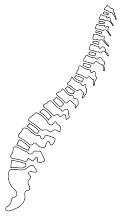
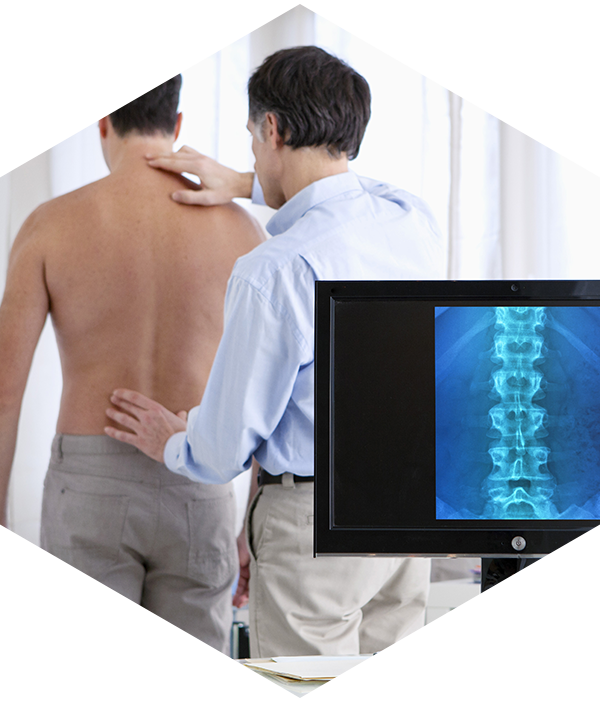
A herniated disk or disc (also called slipped disc) occurs when all or part of a disk in the spine is forced through a weakened part of the disk. This places pressure on nearby nerves.
Read More


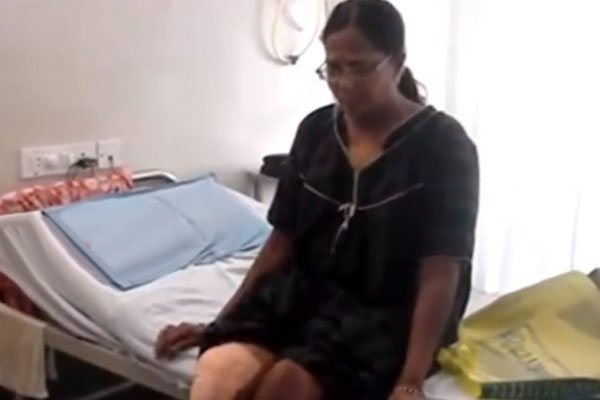
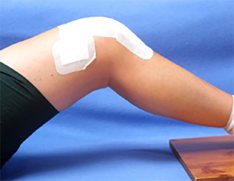
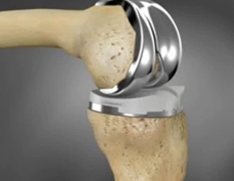
The 65 year old women had done bilateral knee replacement. She did not have any problems or medical conditions till she fell
The female child was born with CDH (Congenital hip dislocation). This is a condition were the person would not have the ability
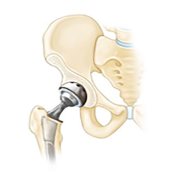
The patient was diagnosed with Avascular necrosis wherein , the total replacement of hip should be done.The treatment started






Lorem Ipsum is simply dummy text of the printing and typesetting industry. Lorem Ipsum has been the industry's standard dummy text ever since the 1500s, whenLorem Ipsum is simply dummy text of the prnt
Read More Lorem Ipsum is simply dummy text of the printing and typesetting industry. Lorem Ipsum has been the industry's standard dummy text ever since the 1500s, whenLorem Ipsum is simply dummy text of the prnt
Read More 
Lorem Ipsum is simply dummy text of the printing and typesetting industry. Lorem Ipsum has been the industry's standard dummy text ever since the 1500s, whenLorem Ipsum is simply dummy text of the printing and dummy
Read More