Eliminate the pain and
Restore full range of motion

Lorem Ipsum is simply dummy text of the printing and typesetting industry. Lorem Ipsum has been the industry's standard dummy text ever since when an unknown printer

Read More

Welcome to Kids Ortho Care


Lorem Ipsum is simply dummy text of the printing and typesetting industry. Lorem Ipsum has been the industry's standard dummy text ever

Read More

Get in touch with us

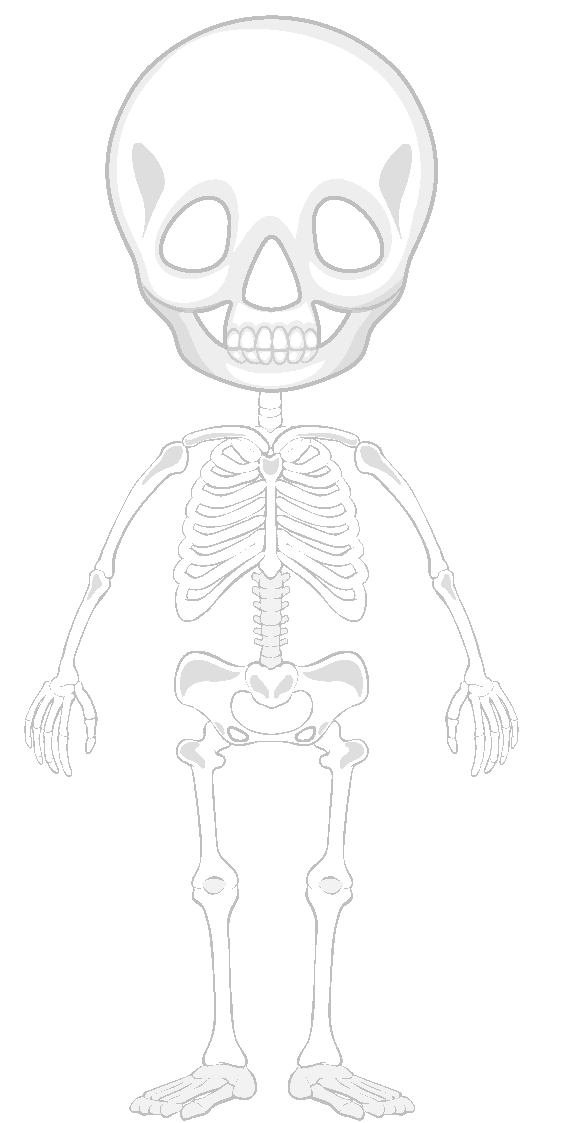
Skull

The skull is a very special bone that protects your brain, ears, and eyes. Special moving parts inlcuding your lower jaw (called the mandible) let you chew, swallow, and talk. Your skull grows with you to allow your brain to grow.

Shoulder

The shoulder is ball and socket joint that can move in many directions to position the arm around the body. The shoulder has a two layers of muscles that help it move.

Collarbone

The collarbone, or clavicle, is an 'S'-shaped bone that anchors the shoulders to the chest. The 'shoulder blades', called the scapula, are the moving bones in your upper back that helps you lift your arms in front, above, and behind your body.

Humerus

The humerus is the biggest bone of the arm. It forms the shoulder at its upper end and it joins the radius and ulna at its lower end to form the elbow. The elbow is called a compund joint which means it is really two joints in one. The ulna flexes and extends on the humerus to bend and straighten our elbow. The radius rotates on a special part of the humerus to rotate the palm up and down.

Spine

The spine supports the upper body and holds a person upright. The spine is strong but flexible because it is built from 24 smaller bones called vetebra. The spine has a hollow area called the spinal canal. The spinal cord is a giant nerve that runs through the spinal canal and carries information to and from the brain. This is how you make your arms and legs move and feel things you touch.

Forearm

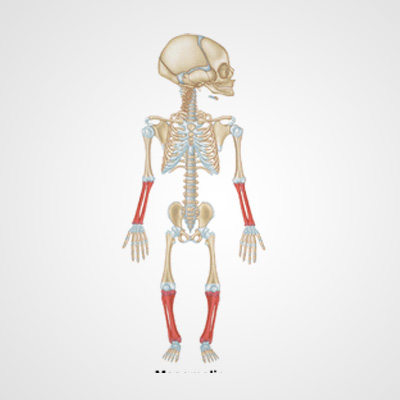
The forearm is made of two bones called the radius and ulna. These bones can rotate around one another to turn the palm up (supination) and down (pronation).

Hand

The hand and wrist are built from 27 bones. The hand and fingers can open and close with great strength or very gently. The thumb can 'oppose' or pinch with each of the other fingers to hold, move, and touch objects.

Pelvis

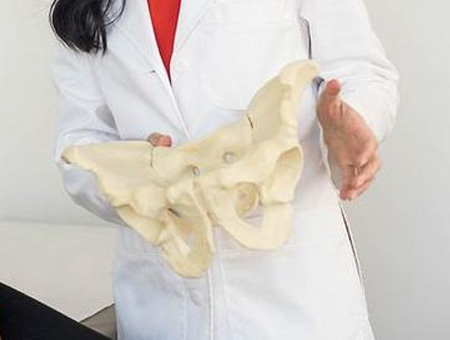
The pelvis is a very strong bone that joins the lower body and the spine. There are two hip sockets called an acetabulum in the pelvis. The pelvis protects a lot of your internal organs. Special cells inside your pelvis caled bone marrow also make most of the blood for your body.

Femur

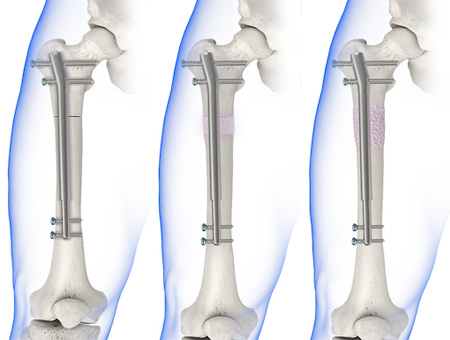
The femur is the longest, strongest bone in your body. Some of the strongest muscles in your body attach to the femur to help you walk, run, and jump.

Tibia

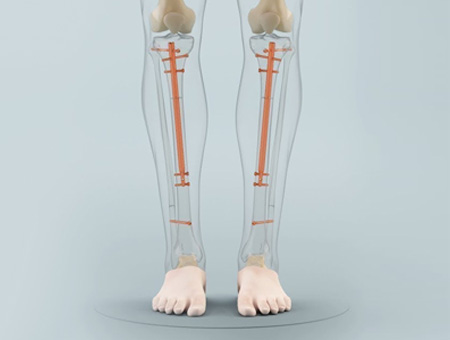
The tibia and fibula are the bones in your lower leg. They join with the femur to make the knee. Your knee has very strong ligaments that help to stabilize this very important joint. The force inside of your knee when you are jumping can reach 8X your body weight (>1000 lbs sometimes).

Ankle

The ankle joins your foot to your leg. Your ankle moves mostly up and down. Special joints in your foot allow your foot to move side to side and absorb the energy of walking. Each foot has 28 bones (sometimes there are extras). Feet come in lots different shapes

kidsorthocare kidsorthocare

The Human Body

You are born with 270 bones! But, by the time you become an adult, you only have 206 bones because some of the bones join together as you grow. Bones support and protect the organs in your body, produce blood cells, store minerals, and allow your joints to move. Your bone is alive and can repair itself if it is broken. Bone can get bigger and stronger from exercise or lifting weights and smaller and weaker if you don't exercise enough.

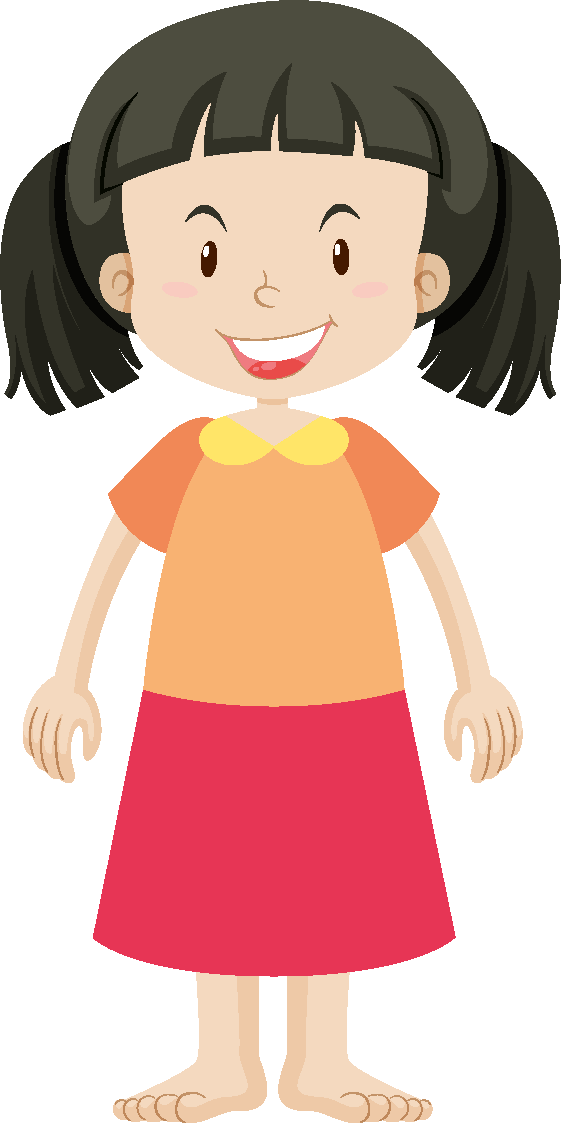
Hover over the kid to learn all of the bones!

Specialities and Services


Lower Limb

  • lower limb
    lower limb

    Foot

    Lorem Ipsum is simply dummy text of the printing typesetting

  • lower limb
    lower limb

    Leg

    Lorem Ipsum is simply dummy text of the printing typesetting

  • lower limb
    lower limb

    Knee

    Lorem Ipsum is simply dummy text of the printing typesetting

  • lower limb
    lower limb

    Hip & Thigh

    Lorem Ipsum is simply dummy text of the printing typesetting

upper limb

Upper Limb

Lorem Ipsum is simply dummy text of the printing and typesetting industry

treatments

Our Testimonials


  • review
  • review
testimonials
  • review
  • review
testimonials
View All

Our Blogs


blog

Lorem Ipsum is simply dummy text of the printing

Lorem Ipsum is simply dummy text of the printing and setting industry

Read More
View All
blog