No one said losing weight is easy. It is easier to gain weight than to lose it. Obesity is a worldwide issue and is associated
Read More
An individual s digestive health can be affected by a number of illnesses which could be due to food, stress, infection
Read More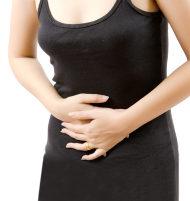

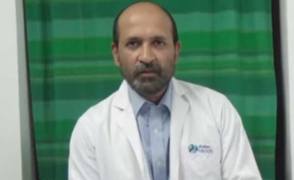
Dr. Deepak Varma is a leading and eminent gastrosurgeon based in Kochi, Kerala. He did his undergraduate studies in Government Medical College Thrissur. After completing M B B S, he did his MS (General Surgery) in the prestigious JIPMER, Pondicherry one of the foremost teaching institutes of India.
Read More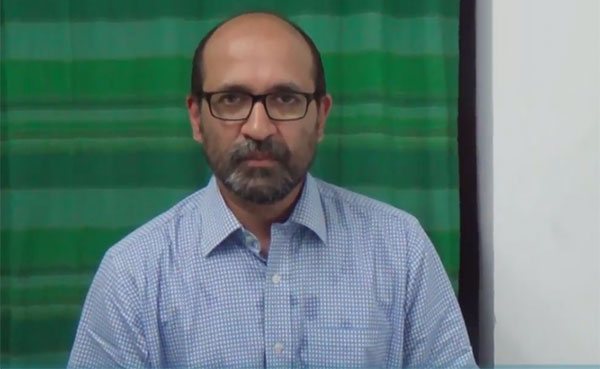




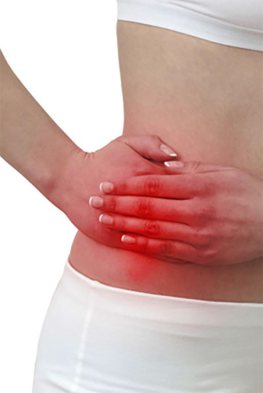
The appendix is located on the right lower quadrant of abdomen and is attached to initial portion of the large intestine and is a worm-like extension. Also known as the vermiform appendix, it is approximately 8 to 10 cms in length. In cases of appendicitis
Read More
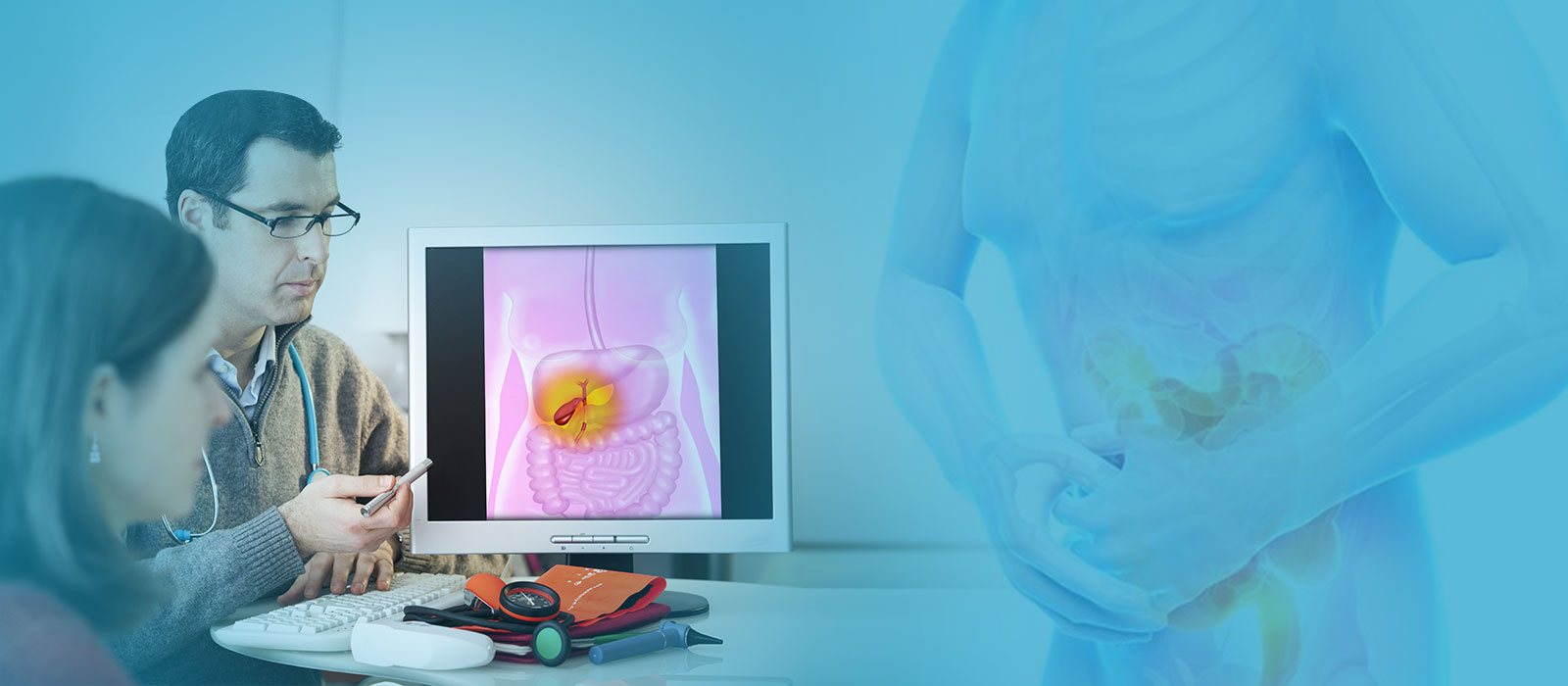
Gallstones or gallbladder stones are also known as cholelithiasis. They originate in the gallbladder when concretions form in the bile stored in the gall bladder. During the digestive process, the gall bladder stores bile (a fluid produced by the liver)
Read More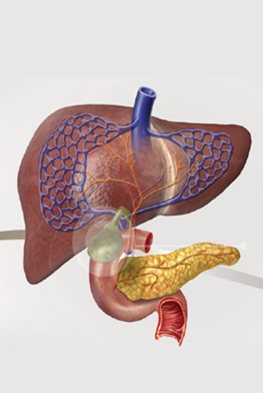
Also known as choledocholithiasis, bile duct stones are gallstones present in the common bile duct. Bile duct stones either form in the bile duct or migrate into the bile duct from the gallbladder. When gallstones formed in the gallbladder
Read More
Ulcer disease known with many names such as peptic ulcer disease, gastric ulcer, stomach ulcer, etc., is a breach in the lining of any part of the gastrointestinal tract. When ulcers form in the stomach, they are known as gastric ulcers and when they form in the proximal
Read More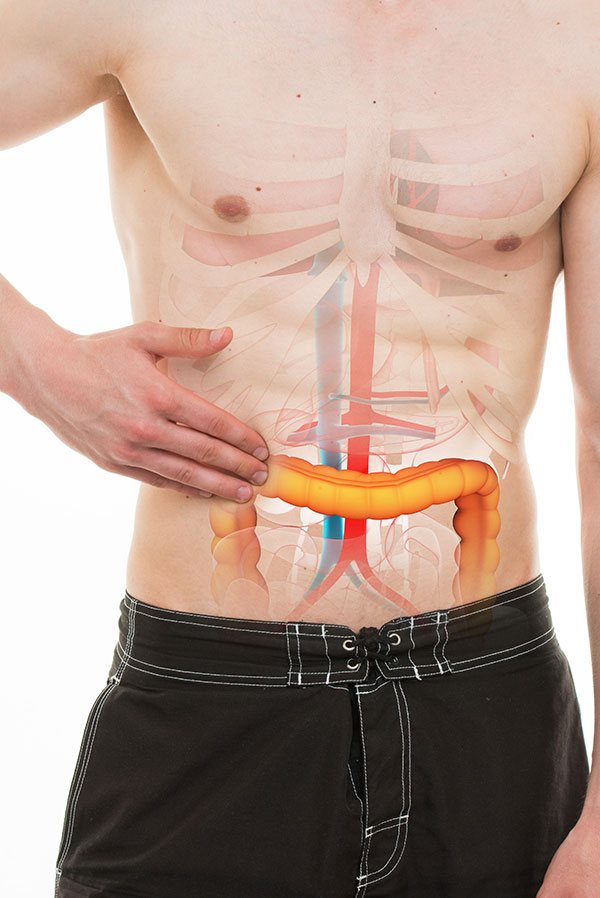
The stomach prolapses through the muscular opening in the diaphragm separating the abdomen and the chest cavity. Hiatal hernias are often incidental discoveries and asymptomatic. They are not life-threatening unless they present with strangulation
Read More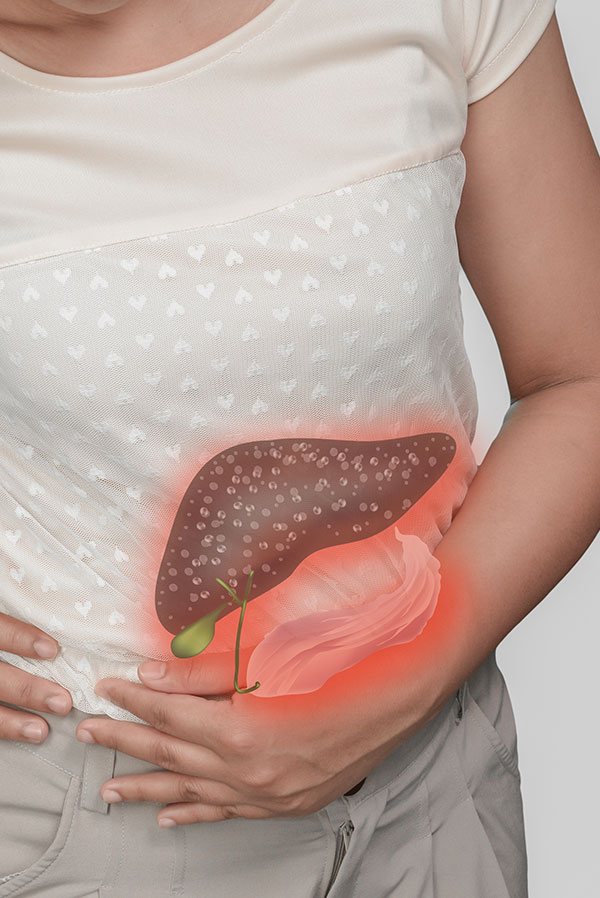
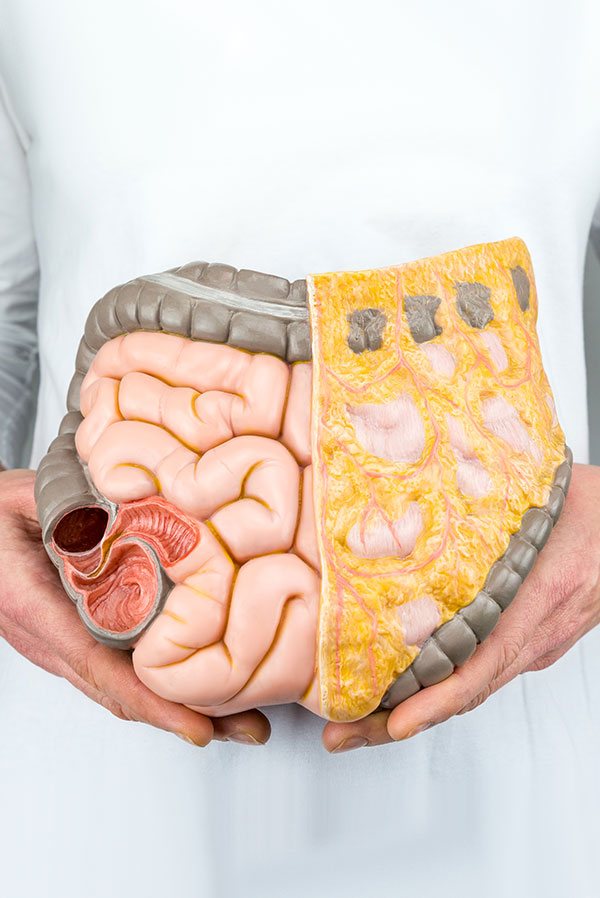
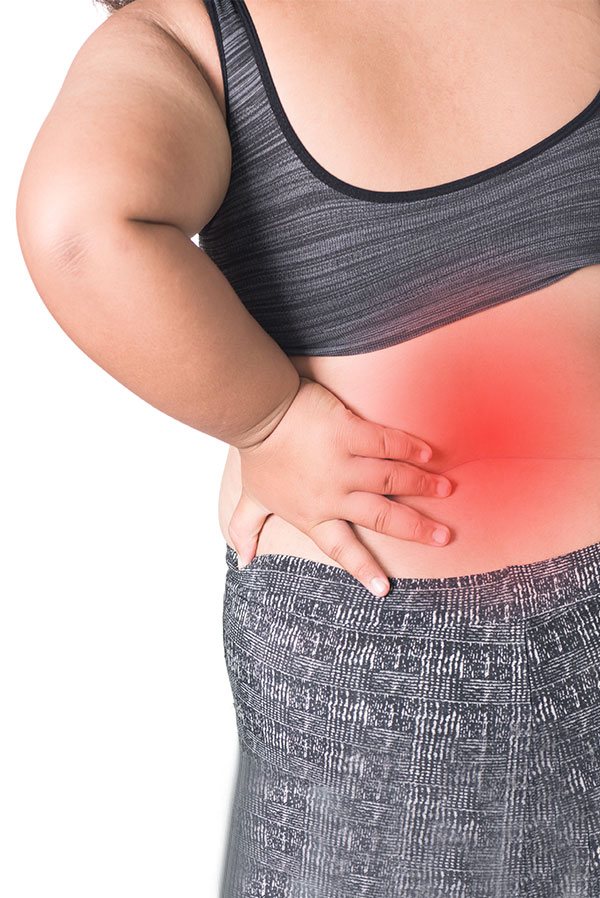
Obesity is a health crisis which is rapidly on the rise in industrialized nations. Obesity s toll on patients is soon to attain pandemic proportions and has to be addressed urgently. When an individual is overweight or obese
Read More
Obesity is a health crisis which is rapidly on the rise in industrialized nations. Obesity s toll on patients is soon to attain pandemic proportions and has to be addressed urgently. When an individual is overweight or obese
Read More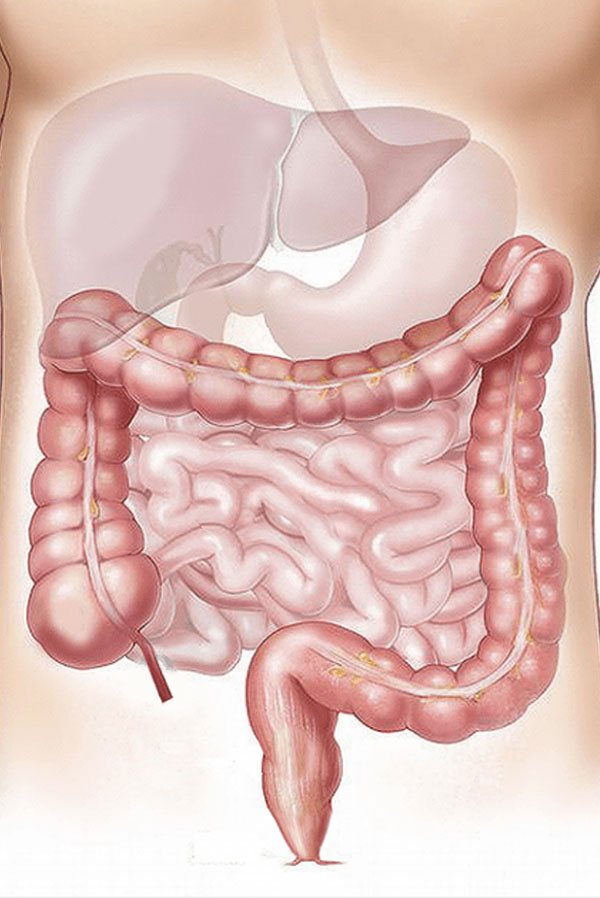
Also known as anorectal fistula, a fistula in ano occurs spontaneously as a hollow cavity lined with granulation tissue. Cryptoglandular infections leading to perirectal abscesses are considered as the predominant cause of anorectal fistula.
Read More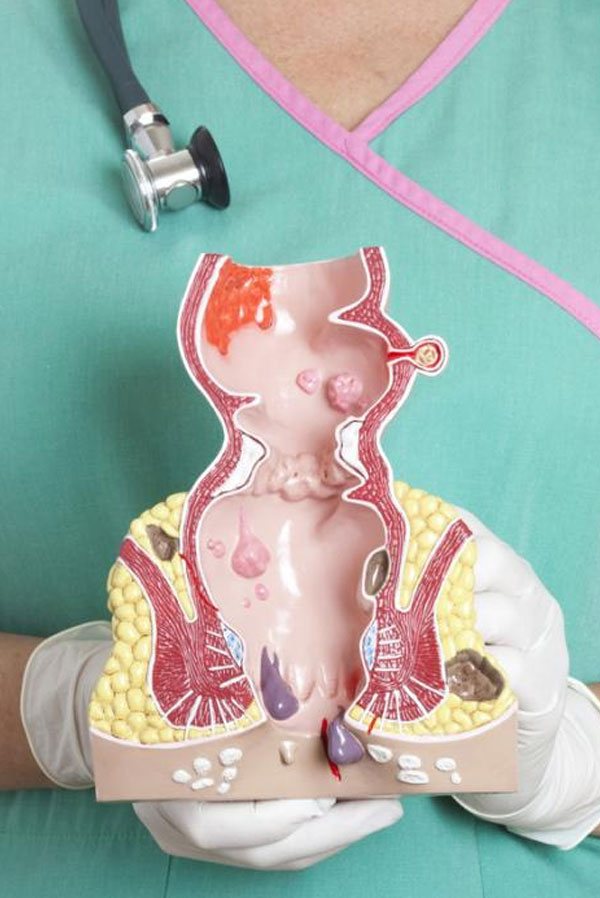
One of the most common of anal pathologies ishaemorrhoids. They are swollen blood vessels appearing in the lower rectum. Normal haemorrhoids are venous cushions present in the anorectum. These are referred to as piles (haemorrhoids)
Read More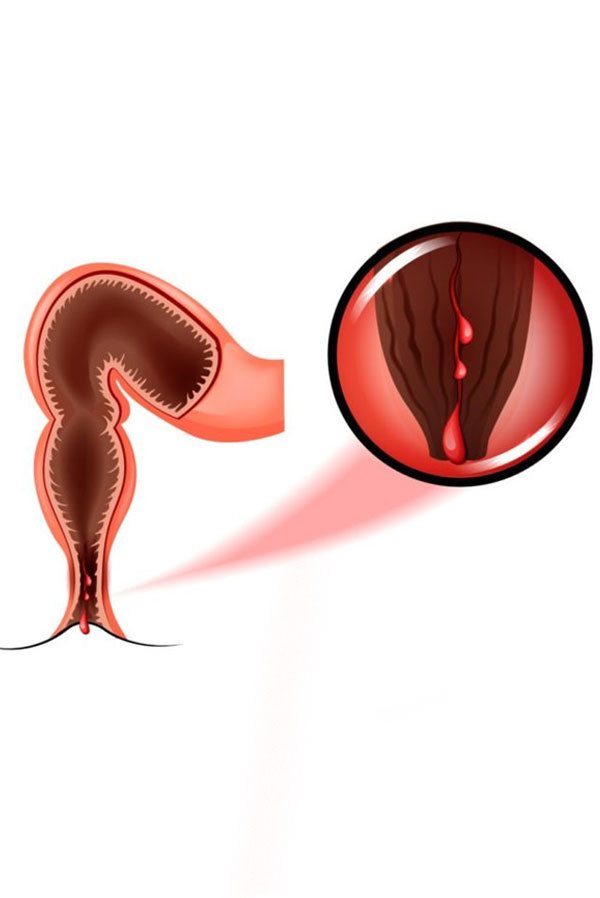
Painful linear tears develop in the distal anal canal are called anal fissures. It involves both the epithelium and the full thickness of the anal mucosa. They can develop both in men and women. There are several non-traumatic diseases that can cause anal fissures
Read More The digestive apparatus comprising of the stomach and the intestines is referred to as the gastrointestinal system. Surgeries performed in the gastrointestinal tract rectify maladies of the oesophagus, pancreas, stomach, liver and the intestines. Gastro surgery can be divided into three subtypes
Upper GI surgery or upper gastrointestinal surgery : Some of the upper GI procedures are:
Oesophagectomy The procedure aims at removing part or the entire esophagus and replacing it with part of the stomach, large intestine or small intestine. The common surgical manipulations are transthoracic oesophagectomy and laparoscopic transhiatal or thoracoscopic oesophagectomy where the oeosophagus is removed after mobilizing it, making small wounds in the abdomen or chest.
Read MoreThe digestive apparatus comprising of the stomach and the intestines is referred to as the gastrointestinal system. Surgeries performed in the gastrointestinal tract rectify maladies of the oesophagus, pancreas, stomach, liver and the intestines. Gastro surgery can be divided into three subtypes
Upper GI surgery or upper gastrointestinal surgery : Some of the upper GI procedures are:
Oesophagectomy The procedure aims at removing part or the entire esophagus and replacing it with part of the stomach, large intestine or small intestine. The common surgical manipulations are transthoracic oesophagectomy and laparoscopic transhiatal or thoracoscopic oesophagectomy where the oeosophagus is removed after mobilizing it, making small wounds in the abdomen or chest.
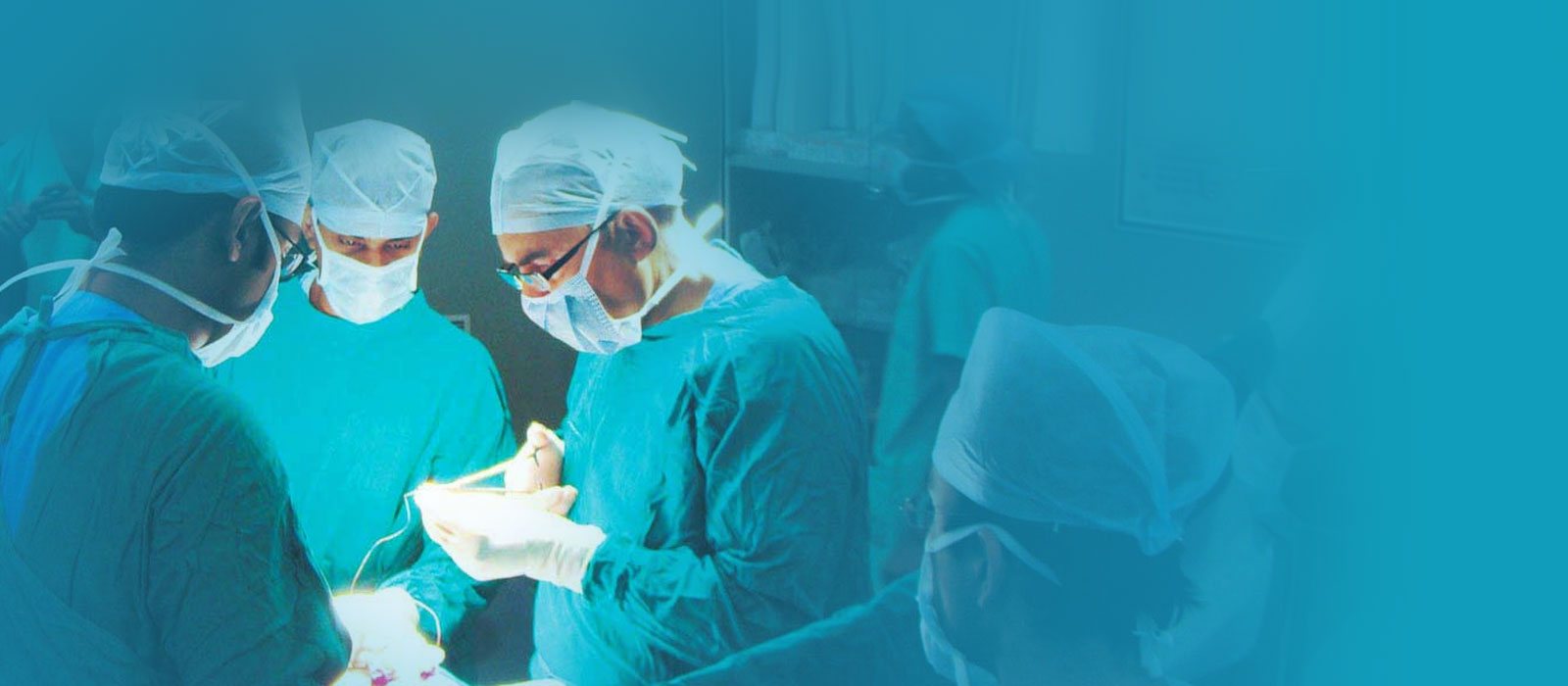
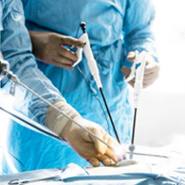
Read MoreLaparoscopic surgeries are also known as minimally invasive surgeries (or keyhole surgery). It is one of the most advanced and modern surgical methodologies employed. In comparison to open procedures, laparoscopic procedures use only 0.5 cm to 1.5 cm incisions in the body. Incisions are far away from the actual site of repair. There are several advantages for laparoscopic procedures, one of the main ones being the reduction of bleeding and pain. The surgery uses a laparoscope which consists of a long, thin telescope and a fibre optic cable with a camera fitted at the end of it. Laparoscopic cameras, which are being used now, are high definition cameras with high quality images, which help surgeons to perform high quality and precise operations.
Cold light sources such as halogen and xenon are used to light up the operative field. Carbon dioxide is insufflated into the abdomen enabling easy entry of a cannula or a trocar (measuring 5 mm or 10 mm) that is inserted through the incisions.
Read MoreA surgical operation conducted to correct a bulge caused by internal organs protruding through the wall that holds it back. Hernias occur in the abdomen, groin, umbilicus and diaphragm. Hernias also occur at the site of a previous abdominal surgery and are called incisional hernia. There are several approaches to hernia surgery such as: herniorrhaphy, hernioplasty and herniotomy.
Older repair techniques included the open tension repair, which required a 3 to 6 surgical incision. Nonabsorbable sutures were used to close the incision. Modern day surgeries involve the non-tension mesh repair and the laparoscopic repair.
Non-tension mesh repair reinforces the area by placing a flexible mesh, fixed with sutures or other fixation devices. It reduces the incidence of recurrence compared to open tension repairs.
Read MorePeople with extreme, excessive obesity will require more than just exercise and diet restrictions. Bariatric surgery is a type of weight reduction surgery that helps individuals lose weight in the case of uncontrolled weight gain and obesity. The operation aims at restricting food intake and minimizes death rates among severely obese patients. It brings about positive lifestyle changes and healthy eating habits after the operation.
As a principle, the surgery decreases food intake and reduces absorption in the intestines. It interrupts the digestive process to alter the breakdown of food nutrients and to reduce the calories that are absorbed to enable patients to decrease weight and obesity-related disorders. Weight-loss surgeries are generally done using minimally invasive or laparoscopic techniques.
Types of bariatric surgeriesSome of the most common and popular bariatric surgeries are
Read More
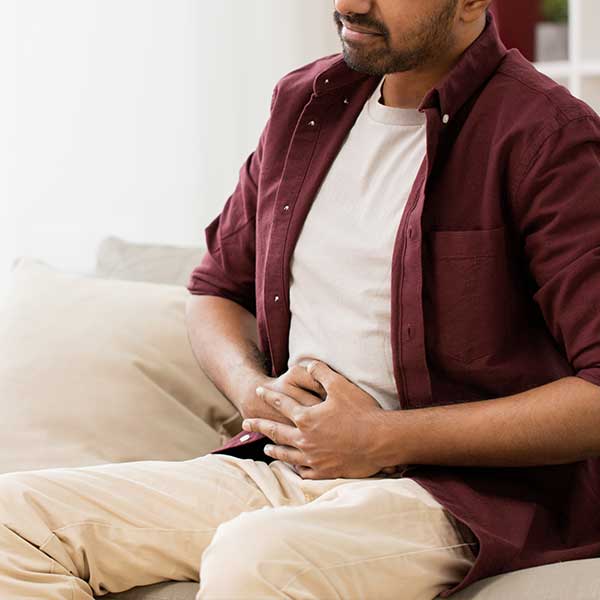
Laparoscopic cholecystectomy or gall bladder surgery aims at treating symptomatic gall bladder stones. It is considered as the gold standard procedure for gall bladder removal. The choice is due to the several advantages of laparoscopic surgery, which includes reduced postoperative pain, early post operative recovery, early return to work, improved cosmesis and minimal intake of pain killer medicines.
There are several indications for gall bladder surgery: Symptomatic Gall Stone Disease Sonography (ultrasound scan) indicates the presence of identifiable gall bladder stones. Laparoscopic surgery is done for acute cholecystitis diagnosed within 72 hours of the onset of the symptoms. Beyond that period, open surgery may be required or the patient is treated with antibiotics and after recovery an interval gall bladder removal is done. Another indication of a laparoscopic procedure is recording an ejection fraction of < 35% at 20 minutes
Read MoreThe pancreas is a fish-shaped organ present just behind the stomach. It is about 6 to 8 inches in length and 2 inches in width, with a wide head and tapering body ending in a pointed tail. The pancreas consists of endocrine glands and exocrine glands. Exocrine glands release juices containing enzymes into the intestine that helps in the digestion of food. Endocrine glands are found in small clusters or islets that secrete insulin and glucagon hormones.
Types Of Pancreatic Cancer Precancerous growths: Serous cystic neoplasms also known as serous cystadenomas are benign (non cancerous) cysts filled with watery fluid, The mucinous cystic neoplasms are gradually growing tumours in the form of cysts containing jelly-like mucin. These usually start in the body or tail. This is potentially malignant.
Read MoreThe spleen is a small organ located just under the rib cage on the left side of the abdomen. Functionally the spleen helps fight infections in the body and filters the damaged and old cells from the system. It is basically part of the immune system. Surgical removal of the spleen is called laparoscopic splenectomy. A spleen removal surgery is done when the spleen is damaged or diseased.
Reasons And Indications For Splenectomy Cyst or abscess in the spleen
Thrombosis of the blood vessels to the spleen (clotting of blood vessels). Blood cell disorders such as hereditary elliptocytosis, idiopathic thrombocytopenia purpura, thalassemia, hereditary spherocytosis and some haemolytic anaemias.
Other tumors and cancers affecting the spleen, which is very rare
Malignant cancer cells form in the tissues of the colon or the large intestine warranting a surgery. As part of the digestive system, the colon is responsible for reabsorbing water and some electrolytes from the digested effluent which reaches the colon from the small intestine. It then helps the residue pass out of the body.
Colon cancer can develop:
In individuals who are 50 years and older
If there is a family history of colon and rectum cancer
Existence or history of colon polyps
Stomach cancer has to be staged before deciding upon the type of surgery if part or all of the stomach has to be removed. Even as some part of the stomach may be left behind, other organs may have to be resected along with it. Surgery is the only cure for stomach cancer. Usual stages of stomach cancer (like any other) where elective surgery is performed are stage 0, I, II and III, with appropriate patient health.
Sometimes the cancer may have spread making it almost impossible to the removed. At this time, a palliative surgery is extremely helpful in preventing blockages and bleeding of the tumour. This relieves symptoms and does not necessarily cure the cancer.
TechniquesTotal gastrectomy: All of the stomach is removed in a total gastrectomy. An incision is made either vertically or horizontally at the abdomen. The procedure is generally applied when the cancer has spread all over the upper or middle part of the stomach.
Read More
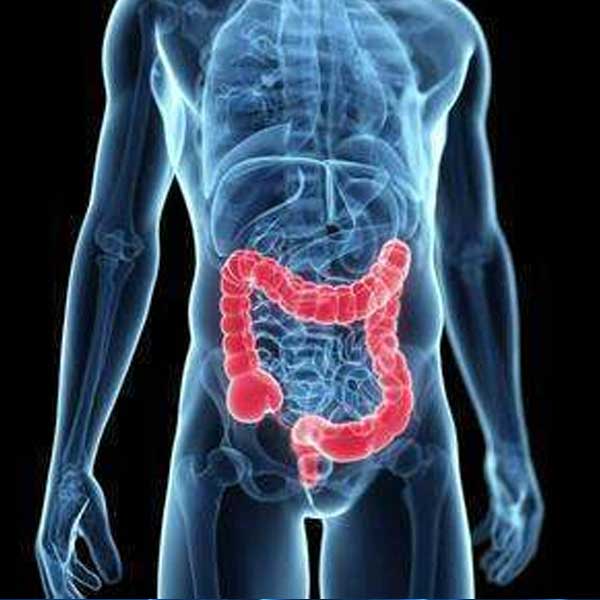
Laparoscopic cholecystectomy or gall bladder surgery aims at treating symptomatic gall bladder stones. It is considered as the gold standard procedure for gall bladder removal. The choice is due to the several advantages of laparoscopic surgery, which includes reduced postoperative pain, early post operative recovery, early return to work, improved cosmesis and minimal intake of pain killer medicines.
There are several indications for gall bladder surgery: Symptomatic Gall Stone Disease Sonography (ultrasound scan) indicates the presence of identifiable gall bladder stones. Laparoscopic surgery is done for acute cholecystitis diagnosed within 72 hours of the onset of the symptoms. Beyond that period, open surgery may be required or the patient is treated with antibiotics and after recovery an interval gall bladder removal is done. Another indication of a laparoscopic procedure is recording an ejection fraction of < 35% at 20 minutes
Read MoreThe pancreas is a fish-shaped organ present just behind the stomach. It is about 6 to 8 inches in length and 2 inches in width, with a wide head and tapering body ending in a pointed tail. The pancreas consists of endocrine glands and exocrine glands. Exocrine glands release juices containing enzymes into the intestine that helps in the digestion of food. Endocrine glands are found in small clusters or islets that secrete insulin and glucagon hormones.
Types Of Pancreatic Cancer Precancerous growths: Serous cystic neoplasms also known as serous cystadenomas are benign (non cancerous) cysts filled with watery fluid, The mucinous cystic neoplasms are gradually growing tumours in the form of cysts containing jelly-like mucin. These usually start in the body or tail. This is potentially malignant.
Read MoreThe spleen is a small organ located just under the rib cage on the left side of the abdomen. Functionally the spleen helps fight infections in the body and filters the damaged and old cells from the system. It is basically part of the immune system. Surgical removal of the spleen is called laparoscopic splenectomy. A spleen removal surgery is done when the spleen is damaged or diseased.
Reasons And Indications For Splenectomy Cyst or abscess in the spleen
Thrombosis of the blood vessels to the spleen (clotting of blood vessels). Blood cell disorders such as hereditary elliptocytosis, idiopathic thrombocytopenia purpura, thalassemia, hereditary spherocytosis and some haemolytic anaemias.
Other tumors and cancers affecting the spleen, which is very rare
Malignant cancer cells form in the tissues of the colon or the large intestine warranting a surgery. As part of the digestive system, the colon is responsible for reabsorbing water and some electrolytes from the digested effluent which reaches the colon from the small intestine. It then helps the residue pass out of the body.
Colon cancer can develop:
In individuals who are 50 years and older
If there is a family history of colon and rectum cancer
Existence or history of colon polyps
When the anchoring of the anal cushion is disrupted, it causes mucosal and interstitial tissue inflammation in the veins surrounding the anorectum. It is commonly associated with excessive straining during defecation which engorges the anal cushions and inconsistent bowel habits. Surgery is opted for depending on the severity of the condition. Medical management is not adequate especially for grade III and grade IV haemorrhoids and a surgery is imperative for such cases.
Techniques
Rubber band ligation: An anoscope along with a rubber band ligator (the Lurz-Goltner suction ligator) is used. Acute bleeding of the primary haemorrhoid is first controlled. The haemorrhoid mass is then sucked into a cup and the band is applied to the base of the hemorrhoidal mass. The band will fall away along with the hemorrhoidal mass after a few days.
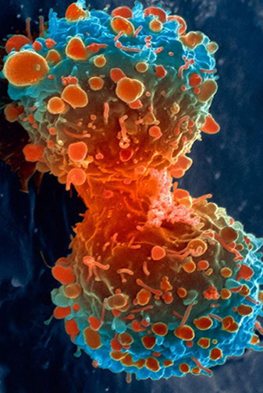
 The word Cancer is something that sends a chill down your spine. You hear about it everywhere, but when it actually happens to your loved one, your world turns upside down. So did ours when it happened to my father. The GI surgery team led by Dr. Deepak Varma always helped mitigate that feeling with their professionalism and warmth.
The word Cancer is something that sends a chill down your spine. You hear about it everywhere, but when it actually happens to your loved one, your world turns upside down. So did ours when it happened to my father. The GI surgery team led by Dr. Deepak Varma always helped mitigate that feeling with their professionalism and warmth.
The word Cancer is something that sends a chill down your spine. You hear about it everywhere, but when it actually happens to your loved one, your world turns upside down. So did ours when it happened to my father. The GI surgery team led by Dr. Deepak Varma always helped mitigate that feeling with their professionalism and warmth.
Most people are living at the high end of their genetic weight range. This genetic trend accompanied by present-day eating [Read More]
Are you obese? Have you been taking medication to reduce cholesterol for a longer time? Do you often take birth control pills? [Read More]
Most people are living at the high end of their genetic weight range. This genetic trend accompanied by present-day eating [Read More]
Are you obese? Have you been taking medication to reduce cholesterol for a longer time? Do you often take birth control pills? [Read More]





 Videos
  Images